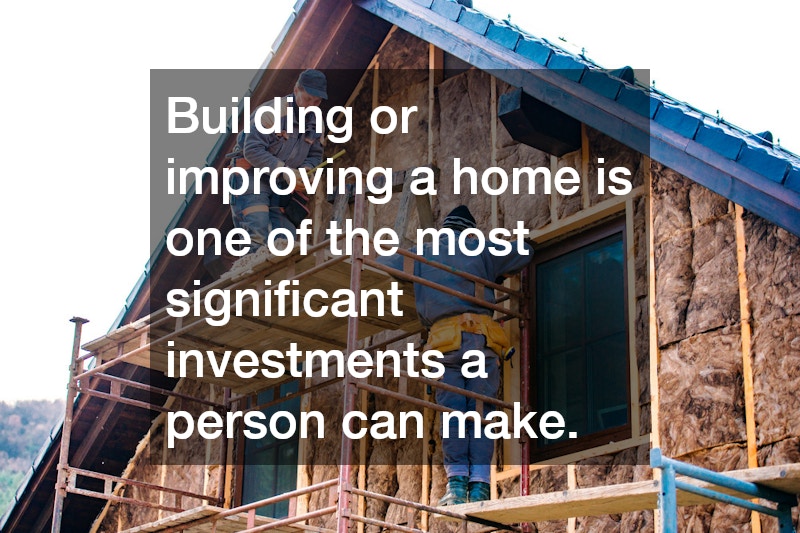
Building or improving a home is one of the most significant investments a person can make. Whether you’re starting from the ground up or upgrading an existing property, the choices you make today directly affect comfort, durability, and long-term value. Successful residential projects require more than quality craftsmanship—they demand careful planning, coordination, and informed decision-making at every stage.
From early design considerations to final exterior details, expert construction and outdoor services help ensure that homes are built to last. Understanding how different services work together allows homeowners to avoid costly mistakes, reduce delays, and achieve results that meet both functional needs and aesthetic goals.
Planning a Strong Foundation for Long-Term Success
A well-built home begins long before the first materials arrive on-site. Thoughtful planning is the backbone of successful home construction, ensuring that every structural and design choice aligns with both present needs and future goals. Whether you’re expanding an existing property or starting a custom home from scratch, early decisions can significantly influence durability, efficiency, and livability.
One of the most important steps is clearly defining the purpose of the project. Are you building for long-term living, growing a family, or eventual resale? Each objective may affect layout, room sizes, and material selections. A clear vision helps guide contractors, designers, and builders toward cohesive results.
Key planning considerations include:
-
Establishing a realistic budget that accounts for materials, labor, permits, and contingencies
-
Designing layouts that balance aesthetics with everyday functionality
-
Considering future expansion possibilities to avoid major renovations later
-
Accounting for climate, soil conditions, and site-specific challenges
For those pursuing a custom home, personalization should go hand in hand with practicality. While unique features add character, they should also support energy efficiency, structural integrity, and ease of maintenance. A thoughtful plan ensures the home remains comfortable and valuable for years to come.
Choosing Materials That Improve Durability and Performance
The quality of materials used in a project directly impacts how a home performs over time. Selecting the right building supplies helps prevent premature wear, reduces maintenance costs, and improves overall safety. From framing and insulation to finishes and exterior materials, each component plays a role in the home’s longevity.
Working with reliable building suppliers ensures consistent material quality and availability. This is especially important for larger projects where delays caused by material shortages can disrupt schedules and increase costs. Reputable suppliers often provide guidance on materials best suited for local conditions, helping homeowners make informed decisions.
When selecting materials, homeowners should evaluate:
-
Resistance to weather, moisture, and temperature changes
-
Compatibility with the home’s structural design
-
Long-term maintenance requirements
-
Energy efficiency and sustainability
Balancing cost with performance is essential. While lower-priced materials may reduce upfront expenses, higher-quality options often provide better value over time by minimizing repairs and replacements. Thoughtful material selection supports both structural integrity and visual appeal.
Designing Outdoor Spaces That Extend Living Areas
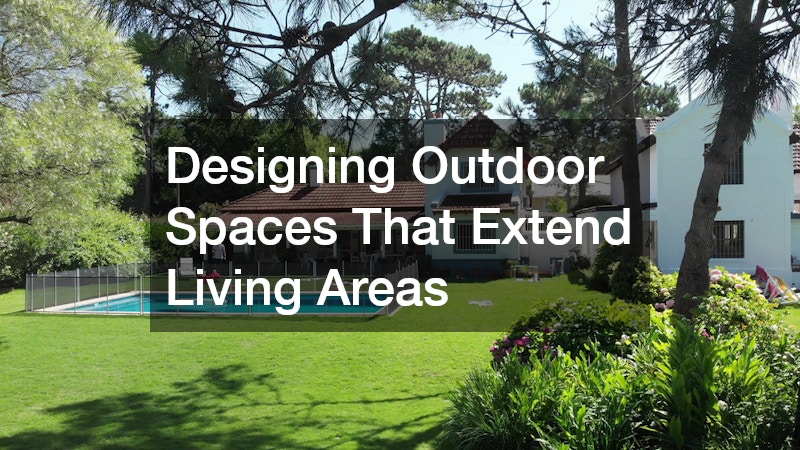
Outdoor spaces have evolved into extensions of the home rather than separate areas. Well-designed landscapes enhance comfort, usability, and curb appeal, making them a valuable component of residential projects. Collaborating with a landscape designer helps ensure outdoor areas are both functional and visually cohesive with the home’s architecture.
Professional landscaping services go beyond aesthetics. They address practical concerns such as drainage, soil stability, and plant selection, all of which influence long-term maintenance and property health. Thoughtful planning can prevent issues like erosion, standing water, or overcrowded plant growth.
Effective outdoor design often includes:
-
Defined zones for relaxation, dining, and recreation
-
Strategic plant placement for shade and privacy
-
Proper grading to manage water runoff
-
Materials that complement the home’s exterior finishes
By viewing outdoor spaces as living environments rather than decorative features, homeowners can maximize their property’s usability and overall appeal.
Creating Safe, Efficient, and Enjoyable Pool Areas
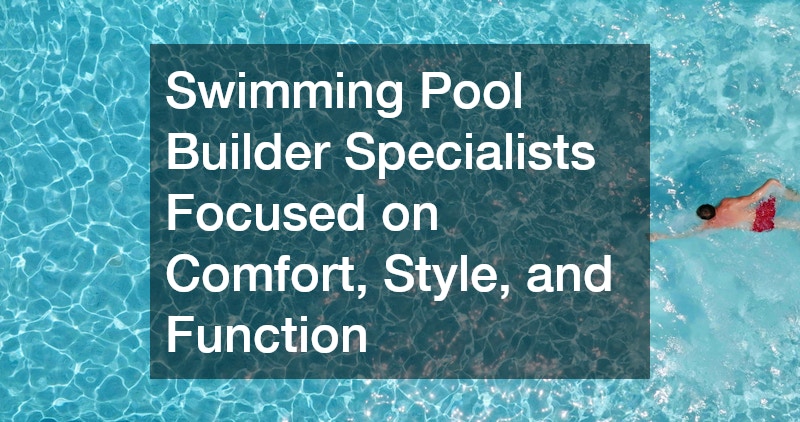
Adding a pool can dramatically enhance a home’s recreational value, but it requires careful planning and professional execution. Working with a skilled pool contractor helps ensure the installation meets safety standards while integrating seamlessly with the surrounding landscape.
Pool design should prioritize safety, functionality, and long-term maintenance. Placement is critical, as it affects sun exposure, drainage, and accessibility. In addition, homeowners must consider local regulations, fencing requirements, and slip-resistant surfaces to reduce hazards.
Important factors to address include:
-
Pool size and depth based on intended use
-
Safety features such as barriers, alarms, and non-slip materials
-
Energy-efficient equipment to reduce operational costs
-
Integration with patios, walkways, and landscaping
A well-planned pool area becomes a cohesive part of the property rather than an isolated feature, offering enjoyment without compromising safety or aesthetics.
Improving Comfort and Value Through Interior Upgrades
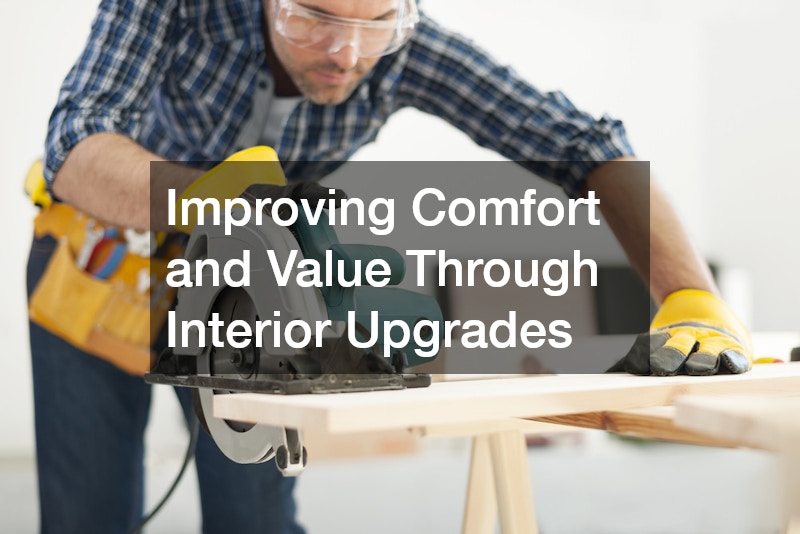
Interior renovations can significantly improve daily comfort while boosting property value. Among the most impactful upgrades are bathroom improvements, which enhance functionality, efficiency, and visual appeal. Experienced bathroom remodelers understand how to balance design trends with practical considerations.
Bathrooms must withstand frequent moisture exposure, making proper ventilation and material selection critical. Layout efficiency also plays a major role, especially in smaller spaces where storage and accessibility matter.
Key elements of a successful bathroom upgrade include:
-
Durable, moisture-resistant materials
-
Efficient plumbing layouts to reduce water waste
-
Adequate lighting for safety and comfort
-
Storage solutions that reduce clutter
Well-executed interior upgrades improve both usability and long-term durability, making them a smart investment for homeowners.
Preparing Properties for New Builds and Major Changes
Before new construction or major renovations can begin, existing structures may need to be removed safely and efficiently. Professional construction demolition services ensure this process is handled with precision, minimizing risks to surrounding areas and preparing the site for future work.
Demolition involves more than tearing down structures. It requires careful planning to manage debris, protect utilities, and comply with safety regulations. Proper execution prevents delays and costly damage during subsequent construction phases.
Effective demolition planning includes:
-
Assessing structural stability and surrounding properties
-
Coordinating debris removal and recycling
-
Protecting underground utilities and adjacent structures
-
Scheduling work to align with construction timelines
A well-managed demolition phase sets the stage for smoother construction and fewer unexpected challenges.
Building Strong Access Points and Traffic Areas
Driveways, walkways, and other paved surfaces play a vital role in both functionality and curb appeal. Professional paving services help ensure these areas are durable, safe, and visually consistent with the home’s design.
Proper grading and base preparation are essential for preventing cracks, pooling water, and surface deterioration. Material choice also affects longevity, especially in regions with fluctuating temperatures or heavy traffic.
Important considerations for paved surfaces include:
-
Selecting materials suited to local climate conditions
-
Ensuring proper drainage to prevent erosion
-
Coordinating paving with landscaping and construction schedules
-
Planning access points for safety and convenience
Well-constructed paved areas enhance accessibility while contributing to the property’s overall appearance.
Coordinating Multiple Services for Better Project Outcomes
Large residential projects often involve multiple teams working simultaneously. Effective coordination between home construction and landscaping services ensures that all elements align properly, reducing conflicts and inefficiencies.
Communication is critical. When contractors collaborate early, they can anticipate challenges related to scheduling, access, and material placement. This proactive approach helps prevent rework and keeps projects on track.
Successful coordination strategies include:
-
Establishing clear timelines for each phase
-
Sharing plans and specifications across teams
-
Scheduling exterior work to follow major construction milestones
-
Conducting regular progress reviews
By treating the project as a unified effort rather than separate tasks, homeowners can achieve smoother execution and better results.
Avoiding Common Mistakes That Increase Costs and Delays
Many residential projects face setbacks due to avoidable mistakes. Poor planning, rushed decisions, or subpar materials often lead to delays and additional expenses. Understanding common pitfalls helps homeowners make informed choices throughout the project.
One frequent issue is underestimating the importance of preparation. Skipping proper demolition assessments or choosing inadequate building supplies can result in structural issues that require costly corrections. In some cases, early decisions about layout, materials, or scheduling are made without considering long-term implications, which can affect both functionality and aesthetics. Taking the time to evaluate the site, materials, and project scope is essential to prevent future problems and keep the project on track.
Mistakes to watch for include:
-
Cutting corners on materials to reduce upfront costs
-
Failing to account for site conditions during demolition
-
Overlooking permit and inspection requirements
-
Inadequate communication between project teams
-
Ignoring the sequencing of construction tasks, leading to workflow bottlenecks
-
Underestimating project timelines or costs, which can disrupt budgets and schedules
Avoiding these errors requires patience, planning, and collaboration with experienced professionals. Engaging trusted contractors, such as home construction specialists, bathroom remodelers, or landscape designers, ensures that expertise guides each decision. Regular check-ins and transparent communication between homeowners and project teams help identify potential issues early, while proper documentation of permits, inspections, and change orders maintains compliance and accountability.
By taking a proactive approach, homeowners can reduce stress, minimize unexpected costs, and ensure the project moves smoothly. Thoughtful preparation, coupled with professional guidance, not only safeguards investment but also results in a higher-quality, more functional, and aesthetically pleasing home that meets both immediate needs and long-term goals.
Maximizing Property Value Through Integrated Design
A cohesive design approach enhances both functionality and market appeal. When architectural elements, outdoor spaces, and access points are planned together, the result is a property that feels intentional and well-balanced. Integrated design ensures that features such as driveways, walkways, and exterior finishes complement the home’s structure. For a custom home, this approach allows for personalization while maintaining consistency across all areas.
Strategies for maximizing value include:
-
Aligning exterior materials with interior finishes
-
Designing access points that enhance curb appeal
-
Ensuring outdoor features support everyday use
-
Planning for long-term maintenance and adaptability
Beyond aesthetics, cohesive design improves usability and convenience for homeowners. For example, well-planned landscaping can define outdoor rooms, guide foot traffic, and create natural zones for relaxation or entertainment. Similarly, coordinating driveway and walkway placement with garage access and entry points reduces congestion and enhances overall flow.
Sustainable and practical considerations can also be integrated seamlessly. Choosing durable materials for exterior surfaces, designing for proper drainage, and incorporating low-maintenance landscaping ensures the property remains attractive and functional over time. For custom homes, this approach allows homeowners to incorporate unique features—like patios, water elements, or outdoor kitchens—without disrupting the overall visual harmony.
Moreover, a thoughtfully integrated property often results in higher market value. Buyers tend to favor homes where exterior and interior elements feel unified and purposeful. When design choices are intentional and forward-thinking, the property demonstrates care, attention to detail, and long-term vision, all of which increase desirability and resale potential.
Ultimately, cohesive design is about blending aesthetics, functionality, and practicality to create a home that is beautiful, efficient, and adaptable to the evolving needs of its occupants.