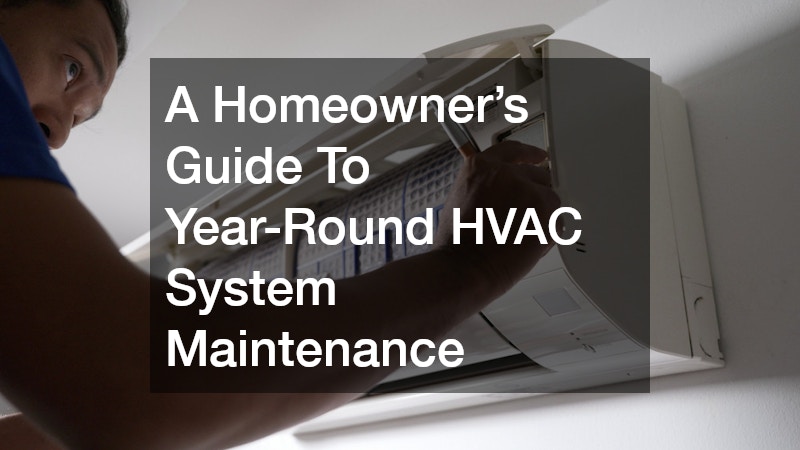
For most homeowners, the heating, ventilation, and air conditioning system is the unsung hero of the household. It sits quietly in the attic, the basement, or behind a closet door, working tirelessly to ensure that the bite of a winter frost or the oppressive weight of a summer heatwave never crosses the threshold of your front door. However, because these systems are often “out of sight, out of mind,” they frequently suffer from neglect until the moment they stop working entirely. In the year 2026, with energy costs fluctuating and climate patterns becoming increasingly unpredictable, a proactive approach to home climate maintenance is no longer just a recommendation—it is a financial and operational necessity.
The goal of this comprehensive guide is to shift the narrative from reactive crisis management to a structured, year-round strategy. By understanding the mechanical needs of your equipment and the seasonal stressors placed upon it, you can extend the lifespan of your units, through AC repairs, significantly reduce your monthly utility bills, and ensure that your home remains a sanctuary regardless of the conditions outside. We will break down the essential tasks for every season, providing you with the technical knowledge needed to handle basic upkeep yourself and the wisdom to know when it is time to call in the professionals.
Optimizing Your System for the First Heatwave
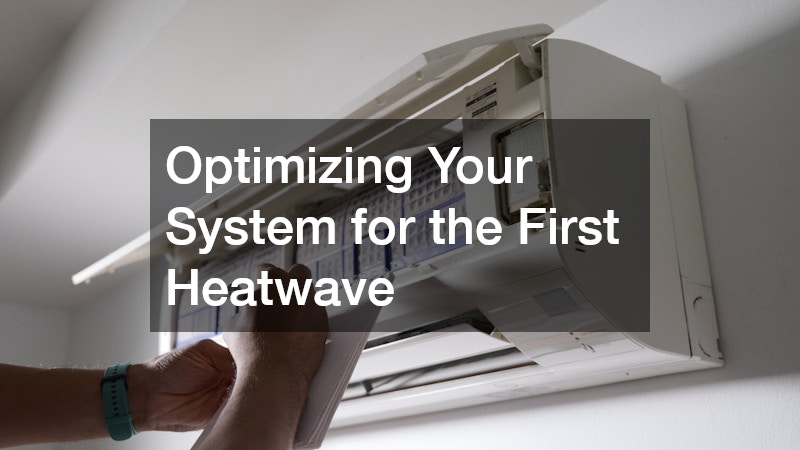
As the final frost of winter thaws and the first blossoms of spring appear, your focus must shift toward the upcoming cooling season. This is the most critical window for preventative care. After months of sitting dormant, your exterior condenser unit has likely collected a layer of dead leaves, spider webs, and windblown debris. Before you flip the switch to “cool,” it is essential to perform a thorough exterior inspection. Clear at least two feet of space around the unit to allow for unrestricted airflow; without this clearance, the compressor must work significantly harder to dissipate heat, which leads to premature component failure.
While a homeowner can handle basic yard cleanup, the internal components of a cooling system require a more refined touch. Early spring is the ideal time to schedule a visit from a professional air conditioning company. These specialists go beyond the surface, checking refrigerant levels to ensure there are no slow leaks that could cripple your cooling capacity in July. They also inspect the electrical contactors and capacitors—parts that are under immense stress during start-up. Catching a weak capacitor in April is a minor inconvenience; having one fail on a Saturday afternoon in August is a costly emergency.
Consider these essential spring tasks to prepare for the humidity ahead:
- Condensate Line Flush:
Pour a mixture of warm water and a small amount of white vinegar down your drain line to kill algae and prevent clogs that cause indoor flooding. - Fin Straightening:
Use a fin comb to gently straighten any bent aluminum fins on the exterior unit, which improves heat exchange efficiency. - Evaporator Coil Inspection:
If your indoor coil is accessible, check for frost or buildup that could impede the cooling process. - Filter Transition:
Switch to a fresh, high-quality filter designed to handle the increased pollen counts associated with the spring season.
Investing in this early-season diligence is the best way to prevent the need for massive, unplanned ac repairs during the peak of summer. A system that is cleaned and calibrated in the spring runs more quietly and consumes less power, providing a return on your investment every time the thermostat clicks on.
Maintaining High Efficiency During Summer Peaks
When the mercury begins its steady climb, your cooling system enters its most grueling phase of operation. In high-heat environments, an air conditioner may run for eighteen to twenty hours a day just to maintain a comfortable indoor temperature. During this time, the most common enemy of efficiency is friction and heat buildup within the motor and compressor. The first line of defense is the simplest: the air filter. In the summer, you should check your filter every thirty days. If you have pets or live in a dusty area, you may need to replace it even more frequently. A clogged filter restricts airflow, causing the evaporator coil to freeze and the entire system to shut down.
Despite the best preventative care, the mechanical reality of these machines is that parts eventually wear out. If you notice that your vents are blowing lukewarm air, or if you hear a high-pitched squealing sound coming from the indoor air handler, you are likely facing an impending ac repair. Ignoring these sounds is the fastest way to turn a small fix into a total system replacement. Modern systems are equipped with sensors that may shut the unit down if they detect an abnormality, but older units will often keep running until they literally burn out.
Staying cool during a record-breaking heatwave requires a mix of mechanical health and smart home management:
- Thermostat Discipline:
Avoid the urge to “crank it down” to 65 degrees. An air conditioner cools at the same rate regardless of the setting; setting it lower only makes it run longer, not colder. - Shade Management:
Use blackout curtains on south-facing windows to reduce the solar heat gain that your system has to fight against. - Fan Integration:
Use ceiling fans to create a wind-chill effect, allowing you to raise the thermostat by 4 degrees without losing comfort. - Professional Network:
Keep the contact information for reliable local ac repairs saved in your phone before you need it. High-quality technicians are often booked out for weeks during a heatwave, so established customers usually get priority.
By treating your system with respect during its busiest months, you reduce the “wear and tear” that leads to long-term degradation. Summer maintenance is about monitoring performance and reacting quickly to the slightest change in the way your home feels.
Refreshing Interior Air Quality and Heating Readiness
As the air turns crisp and the cooling season draws to a close, the focus of home maintenance moves from the exterior condenser to the interior distribution system. Many homeowners forget that the air they breathe has been cycling through the same network of silver tubes for years. Over time, these ducts can collect significant amounts of dust, pet dander, and even mold. Autumn is the perfect time to schedule a professional air duct cleaning. Clearing out these pathways not only improves the respiratory health of your family but also removes the “drag” on your blower motor, allowing air to move more freely throughout the home.
Once the air paths are clear, it is time to shift your attention to the furnace. Before the first truly cold night arrives, you should perform a “test fire.” Turn your thermostat to the “heat” setting and listen for the ignition. It is normal to smell a slight “burning dust” odor for the first ten minutes, but any smell of gas or a loud booming sound upon ignition is a red flag. These symptoms often indicate a dirty burner or a failing igniter, issues that require a specialized furnace repair to ensure the unit is safe to operate throughout the winter.
Preparing for the transition to heating involves several technical checkpoints:
- Heat Exchanger Inspection:
This is the most critical safety check. A cracked heat exchanger can leak carbon monoxide into your home. This must be inspected by a professional with a specialized camera. - Flame Sensor Cleaning:
A dirty flame sensor will cause your furnace to shut off seconds after it starts. This is a common, simple fix that prevents a “no-heat” emergency. - Blower Belt Check:
If your furnace uses a belt-driven motor, check the belt for cracks or slipping. - Carbon Monoxide Detectors:
Fall is the traditional time to change the batteries in your CO detectors. These are your final line of defense against heating system failures.
By addressing these interior needs in the fall, you ensure the transition from cooling to heating is seamless. It is far better to discover a faulty sensor on a breezy October afternoon than it is to wake up to a freezing house on a January morning.
Ensuring Reliable Warmth Throughout the Coldest Months
In many older homes, or in regions where winters are particularly harsh, the primary source of warmth isn’t a forced-air furnace but a hydronic boiler system. These systems work by circulating hot water through a seriesof pipes to radiators or baseboard heaters. While boilers are incredibly durable, they are pressurized systems that require their own specific brand of care. If you notice that one radiator is cold at the top while the bottom is hot, or if you hear a “clanking” sound in the pipes, you likely have air trapped in the system. While “bleeding” a radiator is a task many homeowners can do, a loss of pressure or a leaking relief valve usually necessitates a professional boiler repair to keep the system running safely.
As your heating system reaches the ten or fifteen-year mark, you will eventually face a difficult decision: do you keep repairing the old unit, or do you invest in a new one? Modern heating technology has advanced significantly in the last few years, with high-efficiency condensing furnaces offering up to 98% efficiency. When the cost of annual repairs begins to approach 30% of the cost of a new unit, it is time to start interviewing furnace installation companies. A professional installer will perform a “Manual J” load calculation to ensure your new system is sized perfectly for your home’s insulation levels and window placements.
To maximize your heating system’s performance in the dead of winter, consider these tips:
- Humidifier Maintenance:
Winter air is notoriously dry, which can damage wood furniture and dry out your skin. If your HVAC system has a built-in humidifier, replace the water panel (pad) at the start of the season. - Pipe Insulation:
For boiler systems, ensure that any pipes running through unheated crawlspaces are insulated to prevent heat loss and the risk of freezing. - Programmable Scheduling:
Use a smart thermostat to lower the temperature while you sleep or while you are at work, but avoid drops of more than 5 degrees, as the system will struggle to “catch up” during extreme cold. - Vent Obstructions:
Ensure that rugs, furniture, or heavy drapes are not blocking your floor or wall vents, which can cause heat to build up inside the ductwork.
Winter maintenance is largely about safety and consistency. Because heating systems involve combustion—whether through natural gas, oil, or propane—the stakes for proper maintenance are higher than they are for cooling. A well-maintained system provides the steady, reliable warmth that makes a home a true shelter.
Professional Vetting and Long-Term Service Strategy
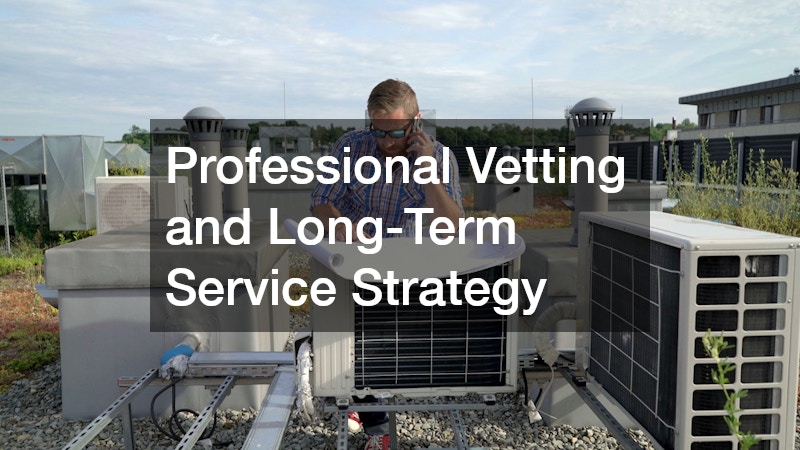
One of the most valuable assets a homeowner can have is a relationship with a trusted service provider. Many people wait until their system is broken to start looking for a contractor, which often leads to making a hurried decision based on whoever can show up the fastest rather than who is the most qualified. Instead, you should vet various HVAC companies during the “shoulder seasons” (spring and fall) when they are less busy. Look for firms that employ NATE-certified technicians and are willing to provide a detailed, multi-point inspection report after every visit.
Many providers offer annual maintenance agreements, which can be an excellent way to automate your home’s care. These contracts usually include two visits per year—one for the heater and one for the air conditioner—and often provide members with “front of the line” status during emergency scenarios. Establishing a relationship with a dedicated ac repair company means they will have a record of your system’s history, including the age of your components and the specific brand of filters or parts your unit requires. This historical data allows for much faster and more accurate diagnostics when something eventually does go wrong.
When selecting a long-term service partner, keep these criteria in mind:
- Transparent Pricing:
They should be willing to provide a flat-rate price for common repairs rather than an ambiguous hourly rate. - Warranty Support:
Ensure they are authorized to perform warranty work on your specific brand of equipment (e.g., Trane, Carrier, Lennox). - Emergency Availability:
Find out if they have a dedicated “after-hours” team for true emergencies. - Comprehensive Services:
The best companies handle everything from minor electrical issues to total system redesigns, providing a one-stop shop for your home’s climate needs.
Ultimately, your HVAC system is a complex integration of fluid dynamics, electrical engineering, and chemistry. While the DIY tips provided in this guide will keep your system running smoothly on a day-to-day basis, the specialized knowledge of a professional is what ensures the system survives for its full twenty-year life expectancy. A service contract isn’t an expense; it is insurance against the high cost of neglect.
Conclusion: Peace of Mind Through Preparation

Taking control of your home’s heating and cooling system is a transformative experience for any homeowner. It moves you away from the anxiety of “what if” and into a position of confidence. By following a seasonal schedule—cleaning the exterior in the spring, monitoring efficiency in the summer, refreshing the air quality in the fall, and ensuring safety in the winter—you create an environment that is not only more comfortable but also significantly more affordable to maintain.
The technical steps outlined in this guide are the same ones used by professionals to keep industrial and commercial buildings running efficiently. By applying these standards to your own residence, you are protecting your largest financial asset and ensuring that your family’s comfort is never left to chance. Whether you are performing a simple filter change or overseeing the installation of a state-of-the-art high-efficiency furnace, your involvement in the process is what makes the difference.
As the years pass, the consistency of your care will manifest in a system that runs as smoothly as the day it was installed. You will notice it in the lower energy bills, the absence of strange noises in the night, and the steady, reliable temperature that greets you every time you walk through the door. Home improvement is often about the visible changes—the new paint or the renovated kitchen—but the most important improvements are the invisible ones that keep your world running perfectly every single day.