High-end renovations aren’t just about visual impact—they’re about staying power. A home can look stunning the day a project wraps up, but the real measure of success shows years later: surfaces that still shine, systems that still perform, and materials that haven’t quietly degraded beneath the surface.
Durability becomes the quiet backbone of luxury. It’s what separates a renovation that ages gracefully from one that demands constant repair. Choosing the right materials early on reduces maintenance, preserves property value, and ultimately creates a more comfortable, worry-free living environment.
There’s also a psychological component to durability. When you trust your materials, you use your home differently. You cook without worrying about staining a surface. You entertain freely without stressing over wear. You enjoy the space fully—exactly as it was intended.
In many ways, durability is what allows luxury to feel effortless. Without it, even the most beautiful finishes can become a source of stress rather than enjoyment.
Prioritize Materials That Withstand Daily Wear and Tear
Every day life is surprisingly tough on a home. Even in upscale properties, kitchens, bathrooms, and entryways see constant use. The key is choosing materials that don’t just look refined, but can handle repetition without losing their finish.
Take kitchen surfaces as an example. Homeowners often gravitate toward premium stone not only for its appearance but for its resilience. A well-executed granite counter installation provides resistance to heat, scratches, and stains—qualities that matter when the space is used daily for cooking and entertaining.
Exterior walls deserve similar attention. Stucco, when properly applied, offers both aesthetic flexibility and durability. It resists weathering better than many painted surfaces and can maintain its look for years with minimal upkeep.
In one recent renovation, a homeowner initially chose a glossy cabinet finish for their kitchen. Within months, fingerprints and micro-scratches became noticeable under natural light. Switching to a more forgiving matte surface dramatically improved both appearance and ease of maintenance. These small decisions can make a big difference over time.
To make smart choices in high-use areas:
- Look for materials rated for abrasion resistance
- Choose finishes that conceal minor wear (matte or textured surfaces)
- Avoid overly delicate materials in spaces used multiple times per day
A luxury renovation should feel effortless to live in—not something you’re constantly trying to protect.
Invest in Structural Materials That Handle Climate Extremes
Behind every beautiful home is a structural system that quietly handles environmental stress. Temperature swings, humidity, and seasonal storms all take a toll, especially in regions with intense weather patterns.
Working with a knowledgeable masonry contractor can make a significant difference in how well your home holds up over time. Materials like brick, stone, and reinforced concrete offer excellent resistance to shifting temperatures and moisture exposure.
Outdoor surfaces require similar consideration. A driveway installed by a residential asphalt paving contractor, when designed with proper drainage and base layers, can resist cracking and erosion far better than lower-grade alternatives.
It’s also worth thinking about how materials age—not just how they perform initially. Some materials develop character over time, while others simply deteriorate. Natural stone, for example, often gains depth and texture with age, while cheaper alternatives may fade or chip.
When evaluating structural materials, consider:
- How the material reacts to expansion and contraction
- Its resistance to moisture infiltration
- Its expected lifespan in your local climate
Skipping this level of planning often leads to hidden issues—cracks, settling, or water intrusion—that only become visible years later.
Choose Weather-Resistant Exterior Finishes That Last
Exterior materials are constantly exposed to the elements, which means even small vulnerabilities can turn into visible damage over time. Sun exposure fades finishes, rain erodes surfaces, and debris can cause unexpected wear.
Protective treatments play a major role here. Sealcoating, for example, adds a protective barrier to paved surfaces, helping prevent UV damage, water penetration, and surface deterioration. It’s one of those upgrades that doesn’t dramatically change appearance—but significantly extends lifespan.
Another often-overlooked factor is the surrounding environment. Trees can add beauty and shade, but unmanaged growth can lead to falling branches, root intrusion, or excess moisture near foundations. Consulting a tree contractor during planning helps ensure landscaping enhances rather than compromises durability.
Think about how wind-driven rain interacts with your home’s exterior. Over time, repeated exposure can wear down weak points in siding or trim. Choosing materials designed to resist these forces reduces the likelihood of gradual damage.
A well-planned exterior considers both materials and surroundings. The goal is to create a system where everything—from coatings to landscaping—works together to reduce long-term wear.
Select High-Performance Systems That Reduce Future Repairs
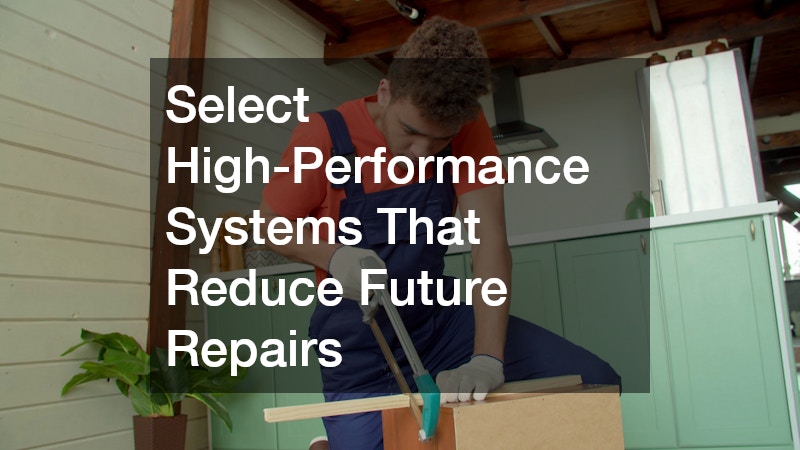
Durability isn’t just about surfaces. Some of the most important decisions in a renovation involve systems you rarely see but rely on every day.
Heating, cooling, and electrical systems are prime examples. Investing in a reliable residential HVAC service ensures your system is properly sized, installed, and maintained. This reduces strain on components, which in turn extends the system’s lifespan.
Similarly, working with an experienced electrician helps prevent issues like overloaded circuits, faulty wiring, or inefficient layouts. These aren’t just inconveniences—they can lead to costly repairs or safety risks if ignored.
A homeowner once upgraded to high-end finishes throughout their property but kept an outdated HVAC system. Within a year, uneven temperatures and rising energy bills made it clear that the system couldn’t support the upgraded space. Replacing it later cost significantly more than integrating it into the renovation from the start.
To maximize system longevity:
- Choose energy-efficient models designed for long-term use
- Ensure installations meet or exceed current code requirements
- Schedule regular inspections to catch issues early
High-end homes should operate as smoothly as they look. Durable systems make that possible.
Protect Your Investment with Moisture-Resistant Materials
Water is one of the most destructive forces in any home. It can seep into walls, weaken structural elements, and damage finishes before you even notice a problem.
In areas like bathrooms, basements, and kitchens, material selection becomes critical. Moisture-resistant surfaces, proper sealing techniques, and thoughtful design all help reduce vulnerability.
When water damage does occur, a professional water restoration service can address the issue—but prevention is always preferable. Choosing materials like properly sealed stucco for exterior walls can help limit water intrusion while maintaining visual appeal.
It’s also important to think beyond visible surfaces. Subflooring, insulation, and wall assemblies all play a role in how moisture is managed. A high-end renovation should include layers of protection, not just a polished exterior.
Signs that a material may not be performing well include:
- Discoloration or staining
- Softening or warping
- Persistent dampness or musty odors
Addressing these early can prevent small issues from turning into major structural repairs.
Incorporate Fire-Resistant Materials for Safety and Longevity
Safety is an essential part of durability. Materials that resist fire don’t just protect a home in extreme situations—they often last longer under normal conditions as well.
Features like a fireplace can become focal points in upscale homes, but they also require careful material selection. Heat-resistant stone, brick, or concrete elements provide both aesthetic value and long-term reliability.
Collaborating with a skilled masonry contractor ensures that fire-exposed areas are built to handle high temperatures without cracking or degrading.
There’s also a design opportunity here. Fire-resistant materials often have a natural, timeless look that fits well in luxury spaces. Stone surrounds, textured brick, or concrete finishes can create a sense of permanence that aligns with the overall goal of durability.
Beyond focal features, consider fire resistance in:
- Exterior cladding materials
- Roofing systems
- Structural framing components
These choices may not be immediately visible, but they contribute significantly to the overall resilience of the home.
Upgrade Outdoor Surfaces with Long-Lasting Finishes
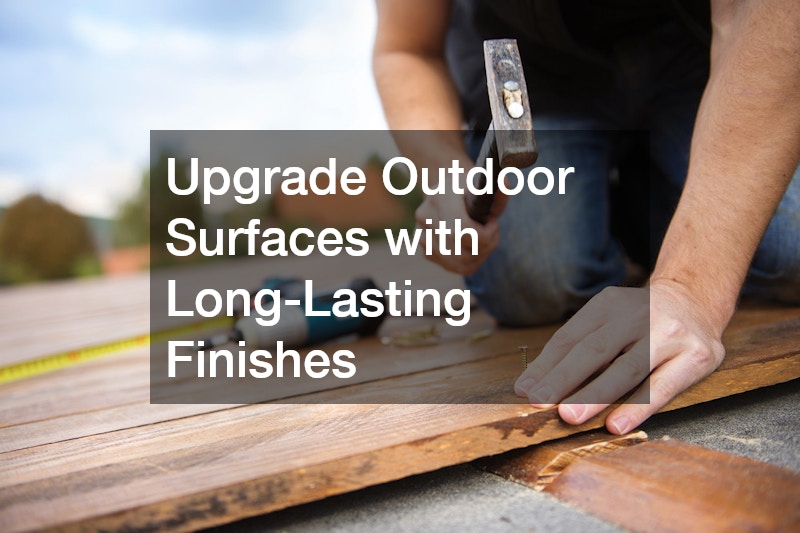
Outdoor living spaces are a major part of luxury renovations, but they’re also some of the most exposed areas of a property.
Driveways, patios, and walkways take on constant stress—from weather, foot traffic, and vehicles. Investing in quality installation and finishing techniques pays off over time.
For example, working with a residential asphalt paving contractor ensures proper grading and layering, which helps prevent cracks and pooling. Adding sealcoating further protects the surface, extending its lifespan and maintaining its appearance.
It’s easy to underestimate how much outdoor surfaces contribute to the overall experience of a home. A smooth, well-maintained driveway or patio sets the tone before anyone even steps inside.
In higher-end homes, outdoor areas are often extensions of indoor living spaces. That means durability needs to match both aesthetic expectations and functional demands. Materials should feel cohesive with the interior while still being tough enough to handle weather exposure.
To keep outdoor surfaces in top condition:
- Reapply protective coatings as recommended
- Address small cracks before they expand
- Keep surfaces clean and free of debris
A well-maintained exterior not only looks better but also reduces the need for costly replacements.
Use Natural Stone and Engineered Materials Strategically
Not all materials need to be used everywhere. One of the most effective ways to enhance durability is by matching materials to their specific function.
Natural stone, for instance, offers unmatched longevity in certain applications. A granite counter installation makes sense in kitchens where durability and heat resistance are essential. In contrast, engineered materials may be better suited for areas requiring flexibility or lighter weight.
A knowledgeable masonry contractor can help identify where traditional materials provide the most benefit and where alternatives might be more practical.
There’s also an aesthetic balance to consider. Mixing materials thoughtfully can create visual interest while maintaining performance. For example, combining stone with wood accents can soften a space without sacrificing durability where it matters most.
Another factor to consider is sourcing. Higher-quality materials often come with better consistency and fewer imperfections, which can impact both installation and long-term performance.
A balanced approach often includes:
- Using premium materials in high-impact areas
- Selecting cost-effective options where stress is lower
- Ensuring all materials are installed correctly
This strategy creates a home that feels luxurious without unnecessary overinvestment.
Prevent Environmental Damage with Smart Planning
Sometimes durability isn’t just about the materials—it’s about how everything is planned and positioned.
Water flow, soil conditions, and surrounding vegetation all influence how well a home holds up. Poor drainage can lead to pooling water near foundations, while unmanaged landscaping can introduce root damage or excess moisture.
Working with a tree contractor during planning can help position trees safely away from structures. At the same time, understanding when to call a water restoration service can prevent minor water issues from escalating.
Think about how your property behaves during heavy rain. Where does water collect? How quickly does it drain? These observations can guide decisions that protect your renovation long after it’s complete.
You can also incorporate subtle grading changes or drainage channels that blend into the landscape while serving an important protective function. These design decisions often go unnoticed visually but make a significant difference over time.
A proactive approach includes:
- Designing proper drainage systems
- Maintaining safe distances between trees and structures
- Monitoring the property for early signs of environmental stress
When planning accounts for these factors, materials are far more likely to perform as intended.
Build a Maintenance Plan That Extends Material Lifespan
Even the most durable materials benefit from regular care. Maintenance doesn’t have to be complicated, but it does need to be consistent.
Systems like heating and cooling should be inspected regularly by a residential HVAC service to ensure efficient operation. Electrical systems should also be evaluated periodically by a qualified electrician to identify potential issues before they become serious problems.
Beyond systems, materials themselves need attention. Seals wear down, finishes fade, and small imperfections can grow if ignored. A simple, well-organized maintenance plan helps keep everything in check.
A simple maintenance routine might include:
- Seasonal inspections of major systems
- Cleaning and resealing surfaces as needed
- Addressing minor repairs promptly
Many homeowners find it helpful to schedule maintenance alongside seasonal changes—spring and fall, for example—so it becomes part of a predictable routine rather than an afterthought.
Over time, this kind of consistency preserves not just the materials themselves, but the overall feel of the home. Spaces continue to look polished, systems operate efficiently, and small issues rarely have a chance to become large ones.
The goal isn’t perfection—it’s consistency. Small, regular efforts go a long way in preserving the integrity of a high-end renovation.
Bringing Lasting Value to Every Renovation Decision
Durability is what turns a renovation into a long-term investment. It’s the difference between a home that merely looks impressive and one that continues to perform, year after year.
By choosing materials thoughtfully, planning for environmental factors, and maintaining systems proactively, homeowners can create spaces that truly stand the test of time. Luxury, in this sense, isn’t just about appearance—it’s about confidence in the quality and longevity of every detail.
When each decision is made with longevity in mind, the result is a home that not only meets expectations today but continues to exceed them well into the future.