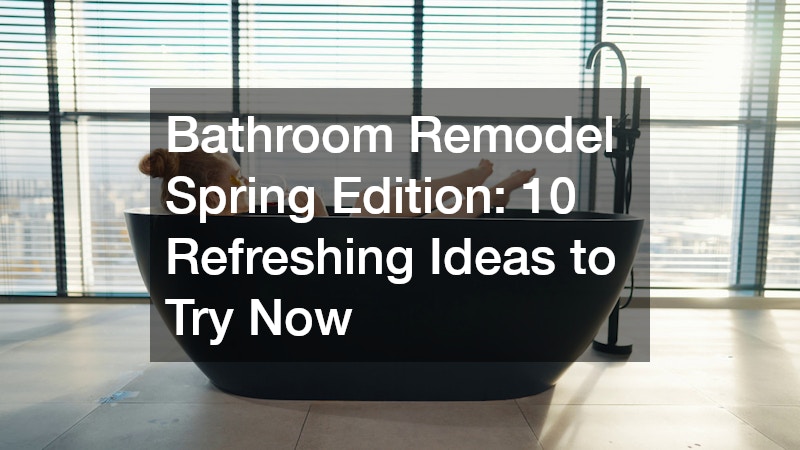
Welcome to our comprehensive guide to renovating your bathroom. In this article, we will explore key tips and insights provided by professional bathroom remodelers to ensure your renovation project is a success. Whether you’re looking for design ideas, cost-effective solutions, or advice on choosing materials, we’ve got you covered. A bathroom renovation can significantly increase the value of your home and improve your daily routine.
Let’s dive into the details of planning and executing a successful bathroom remodel.
How Can I Prepare for a Bathroom Renovation?
Setting a Realistic Budget
Setting a realistic budget is the cornerstone of any successful bathroom renovation. Begin by evaluating your financial situation and determining how much you are willing, and able, to spend on the remodel. Consider not only the cost of materials and labor but also account for unexpected expenses that may arise during the project. Professional bathroom remodelers suggest allocating 10-15% above your estimated budget for contingencies. Sticking to a well-planned budget helps prevent financial strain while ensuring your renovation goals are met.
Researching Design Ideas
With a budget in place, the next step is to research design ideas that resonate with your personal style and functional needs. Explore various design sources such as online platforms, magazines, and home improvement shows to gather inspiration. Consider the existing style of your home and how your new bathroom can complement or update that aesthetic. Many homeowners are captivated by the blend of functionality with visual appeal in bathroom design. Keep in mind that trends come and go, so choose elements that will stand the test of time.
Choosing the Right Professionals
The selection of the right professionals is vital to the success of your bathroom remodel. Start by seeking recommendations from friends, family, or online reviews for contractors and designers who specialize in bathroom renovations. Verify their credentials and ask for references of their past work to gauge their reliability and skill. A skilled professional can provide insight into material choices and efficient layouts, making your renovation as seamless as possible. The right experts will not only execute your vision but also contribute valuable suggestions to enhance it.
Understanding the Timeline
Understanding the timeline for your renovation is important to accommodate your daily living needs. The duration of a bathroom remodel can vary greatly depending on the complexity of the project and the availability of materials. Begin by discussing a realistic timeline with your contractor and agree on key milestones to track progress. Allow for some flexibility as unexpected delays can occur due to weather, sourcing issues, or unforeseen structural challenges. Planning your renovation timeline effectively ensures minimal disruption to your lifestyle.
Gathering Essential Permits
Before starting the renovation work, it is crucial to gather all necessary permits to comply with local regulations. Check with your local building authority to determine which permits are required for your specific project. Failing to obtain the correct permits can lead to costly fines and even the need to undo completed work. Your contractor may assist in navigating the permitting process, utilizing their experience to expedite approvals. Proper permitting not only ensures legality but also contributes to the safety and resale value of your home.
What Are the Most Popular Styles and Trends?
Contemporary and Minimalist
Contemporary and minimalist bathroom designs are characterized by clean lines, open spaces, and a focus on functionality over decoration. This style often incorporates sleek materials like glass, chrome, or polished concrete, contributing to a modern and streamlined look. Minimalist bathrooms embrace simplicity, resulting in spaces that feel uncluttered and serene. The use of neutral color palettes with occasional bold accents defines the aesthetic. As a timeless style, contemporary and minimalist designs appeal to those seeking a clean and efficient bathroom environment.
Rustic and Farmhouse
Rustic and farmhouse bathroom styles bring warmth and a homey feel to the space through natural materials and vintage elements. Reclaimed wood, stone, and cast iron fixtures are hallmarks of this design, offering a cozy and inviting atmosphere. Distressed finishes and antique-looking accessories enhance the charm of rustic bathrooms, creating a sense of history and comfort. This style is popular for its ability to merge old-world charm with modern amenities. A rustic bathroom can become a peaceful retreat within your home, offering visual warmth and a tactile appeal.
Luxurious Spa-like Features
Creating a spa-like bathroom oasis at home is a trend that continues to rise, offering luxury and relaxation. Features such as rain showers, deep soaking tubs, heated floors, and ambient lighting contribute to the spa experience. Soft, plush materials coupled with calming colors like oceanic blues and serene greens enhance the tranquil ambiance. Incorporating smart technology, such as programmable showers and voice-activated lighting, adds modern convenience. The focus on wellness and self-care makes spa-inspired bathrooms a sought-after option for homeowners.
Eco-friendly and Sustainable Choices
Eco-friendly bathroom designs reflect a growing awareness of environmental impact and incorporate sustainable materials and practices. The use of low-flow fixtures, recycled materials, and energy-efficient lighting contributes to conservation efforts. Green building certifications and eco-conscious products help guide sustainable choices. Bamboo and cork are frequently used as renewable resources in bathrooms, providing durability and a unique aesthetic. Commit to an eco-friendly design not only benefits the planet but also reduces long-term utility costs.
Vintage and Retro Inspirations
Vintage and retro bathroom styles embrace the charm and nostalgia of past eras through pattern, color, and classic fixtures. Black and white tile floors, clawfoot tubs, and pastel color schemes are signature elements of this aesthetic. Retro bathrooms offer eclectic character and an opportunity to showcase personal collections such as antique mirrors or period-specific art. The blend of classic with current elements can result in a unique space that feels both old-fashioned and fresh. This timeless style allows for creative expression in a functional space.
What Materials Should I Consider Using?
Durable Flooring Options
Choosing the right flooring material is crucial to withstand moisture and frequent use in bathrooms. Ceramic and porcelain tiles are popular due to their water resistance and ease of maintenance. Natural stone, such as travertine or marble, adds luxury but requires regular sealing to prevent water damage. Luxury vinyl planks offer affordability and a variety of design options, mimicking wood or tile appearances without the cost. When selecting flooring, consider safety features like slip resistance to ensure a secure surface.
Waterproof Wall Finishes
Proper wall finishing in bathrooms is essential to prevent water damage and maintain a pristine appearance. Waterproof options include tiled walls, especially in showers, and moisture-resistant paints designed for high-humidity areas. Panels made of acrylic or PVC are affordable alternatives that offer seamless and easy-to-clean surfaces. Incorporating backsplash designs behind sinks can add a decorative touch while protecting walls from splashes. Ensuring all wall finishes are adequately sealed increases longevity and reduces maintenance needs.
Stylish and Functional Fixtures
Selecting stylish and functional fixtures plays an essential role in enhancing both the look and usability of a bathroom. Faucets, showerheads, and knobs come in a variety of styles, allowing homeowners to match the overall theme of their space. Consider fixtures that offer water-saving features, such as aerated faucets and eco-friendly shower systems, to promote sustainability. Coordination between fixtures and other design elements creates a cohesive and polished appearance. Remember to prioritize function, as fixtures are daily-use items that must perform reliably.
Innovative Storage Solutions
Maximizing storage in a bathroom is vital for maintaining a clutter-free and organized environment. Implementing vertical storage options, such as tall cabinets or wall-mounted shelves, optimizes space usage. Use of drawer organizers and pull-out baskets in vanities improves accessibility to smaller items. Floating vanities and recessed shelving are modern design solutions that offer additional storage without sacrificing floor space. Adequate storage not only increases practicality but enhances the overall aesthetic of the bathroom.
Resilient Countertop Choices
Selecting a resilient countertop material is crucial to endure daily use and maintain visual appeal. Granite and quartz surfaces offer durability and come in various color options, providing a high-end finish to the vanity. Solid-surface materials, like Corian, are versatile and allow for seamless integration of sinks, simplifying cleaning. Laminate countertops are budget-friendly and offer a wide range of patterns and colors but may not provide the same longevity. Choose materials that balance beauty with practical needs, ensuring a long-lasting investment.
How Can I Maximize Space in a Small Bathroom?
Utilizing Vertical Space
Maximizing vertical space is an effective strategy for expanding storage and functionality in small bathrooms. Install tall cabinets that stretch from floor to ceiling to use every inch of available space. Wall-mounted towel bars or racks help keep towels accessible and off the counter. High shelves can store less frequently used items, freeing up space within arm’s reach. By looking upward, you can discover new areas to accommodate storage needs.
Installing Space-saving Fixtures
Space-saving fixtures are key allies in small bathroom designs, helping to ease space constraints. Compact toilets with a smaller footprint or wall-mounted versions free up valuable floor area. Corner sinks or vanity units optimize awkward spaces that would remain unused otherwise. Glass shower enclosures provide a sense of openness compared to shower curtains, enhancing the sense of spaciousness. Thoughtful fixture selection can transform a cramped bathroom into a more open and comfortable area.
Opting for Light Color Schemes
Light color schemes have the capacity to visually expand a small bathroom, making it appear larger than it really is. By using shades of white, beige, or pastel, you can enhance natural light and create a brighter ambiance. Light colors reflect more light, helping to remove any feeling of confinement prevalent in darker schemes. Pairing light hues with mirrors amplifies this effect, adding depth and dimension to small spaces. A carefully curated color palette can significantly influence perceptions of space and comfort.
Incorporating Multifunctional Furniture
Multifunctional furniture is a savvy approach to maximizing limited space without compromising on style or utility. Look for vanity units that incorporate built-in shelves for towels and toiletries. Convertible furniture, such as benches with integrated storage, offers versatility as both a seating option and storage solution. Wall-mounted accessories like foldable drying racks enhance functionality when needed and can be stowed away when not in use. While adding only necessary furniture, you avoid crowding, ensuring a seamless and efficient bathroom space.
Creating Illusions of Space
Creating the illusion of space in a small bathroom involves strategic design choices that trick the eye. Mirrors are powerful tools, reflecting light and space to give the appearance of a larger room. Opt for frameless glass shower doors, which eliminate visual barriers and flow seamlessly with the rest of the space. Vertical lines in tiles or wallpaper draw the eye upward, emphasizing height over width. Good lighting, both natural and artificial, plays a crucial role in preventing shadowy areas and further opens up the room.
What Are Common Mistakes to Avoid?
Neglecting Proper Ventilation
Proper ventilation is often an overlooked element in bathroom design, yet it is essential for preventing moisture-related issues. Without adequate airflow, bathrooms become breeding grounds for mold and mildew, leading to unpleasant odors and potential harm. Ensure any renovation includes installation of a high-quality exhaust fan, appropriately sized for the space. Consulting with an HVAC professional guarantees that the ventilation system is efficient and effective. In addition to mechanical solutions, consider adding windows or skylights for natural ventilation that aids in minimizing humidity levels.
Ignoring Lighting Needs
Lighting is a crucial component of bathroom design, impacting both functionality and ambiance. Poorly planned lighting can lead to discomfort during daily routines such as grooming or makeup application. Layered lighting, combining task, ambient, and accent lights, addresses all needs for a functional and inviting space. Utilize LED fixtures to minimize energy consumption while providing ample, consistent light. Address all zones in the room, avoiding shadowed areas that reduce usability and impair the overall aesthetic.
Overlooking Practical Functionality
While aesthetics play an integral role in bathroom design, practical functionality should never be sacrificed. Prioritize space allocation for fixtures and storage that enhances daily use. Ensure that the layout facilitates easy movement and accessibility for all household members. Avoid overly complex designs that require excessive maintenance or prevent essential modifications. A design that marries beauty with practicality ensures satisfaction and longevity in your newly renovated space.
Underestimating the Budget
Underestimating the cost of a bathroom renovation is a common mistake that can lead to financial strain. Initial estimates should be thorough and inclusive of material, labor, and contingency allowances. As renovation progresses, unforeseen expenses – such as structural repairs or upgraded options – often arise. Maintaining a reserve and consulting with professionals on detailed costs help manage unexpected financial demands. Staying informed and prepared minimizes the risk of budget overruns that could jeopardize the project’s completion.
Choosing the Wrong Materials
Selecting inappropriate materials for a bathroom can result in a range of problems from deterioration to dissatisfaction. Materials should be chosen based on durability, maintenance needs, and compatibility with design goals. Consultation with experts aids in identifying the best options for your specific needs and environmental conditions. Consider how materials will wear over time and invest in the highest quality choices your budget allows. Properly chosen materials contribute to a bathroom that remains beautiful and functional for years to come.
Renovating your bathroom can be a rewarding experience with the right preparation and knowledge. By following the expert tips from bathroom remodelers outlined in this article, you can create a space that is both functional and aesthetically pleasing, tailored to your personal style and needs. Happy renovating! Keep in mind that careful planning, combined with professional guidance, brings your vision to life while maximizing your investment. With dedication and thoughtful design, a bathroom transforms into a haven of relaxation and utility.