
A home is more than just a financial asset; it is a sanctuary, a shield against the elements, and the physical foundation upon which our lives are built. However, structural degradation often happens silently, tucked away behind drywall, beneath floorboards, or deep within the soil. Homeowners frequently overlook the early signs of structural stress, noticing them only when they manifest as costly, stressful emergencies.
True structural integrity is not just about having a solid foundation. It is an interconnected system where every component—from the peak of the roof down to the surrounding earth—works in tandem to resist gravity, wind, water, and time. When one part of this system fails, it places undue stress on the rest of the structure. To fortify a property against the long-term forces of nature, one must adopt a holistic, top-to-bottom, outside-in approach. By proactively managing how a house interacts with weather, moisture, and its surrounding environment, you can prevent shifting framing, wood rot, and foundation failure.
Implementing Proactive Roof Maintenance
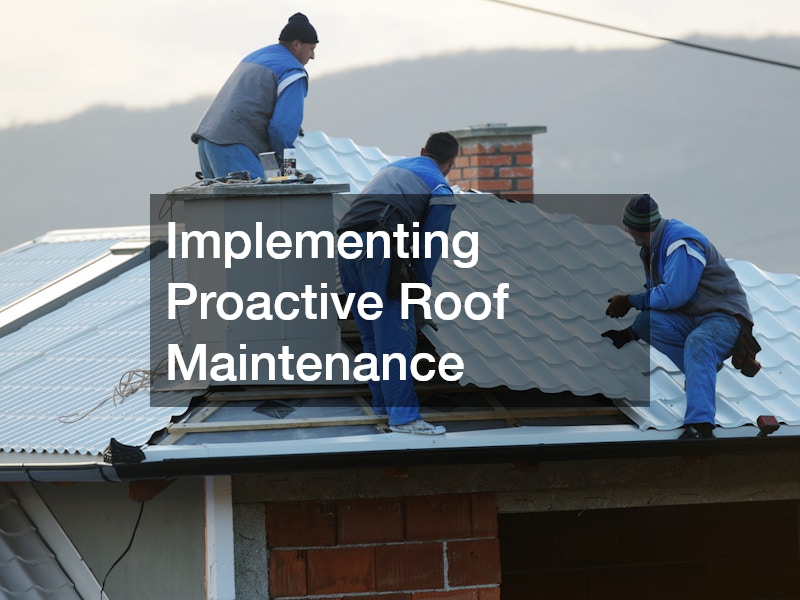
The structural skeleton of your roof consists of rafters or trusses that hold up the weight of your ceiling and roofing materials. When shingles fail, water seeps into the wooden decking underneath, causing it to rot, sag, and eventually fail under heavy snow loads or high winds. To protect these critical upper supports, homeowners must move beyond reactive repairs and focus on proactive structural reinforcement.
- Schedule regular professional inspections: Having a reputable roofing company evaluate your roof system biennially helps catch minor leaks, damaged flashing, and wind-scoured shingles before water compromises the roof deck.
- Upgrade to high-impact materials: Consider investing in Class 4 impact-resistant shingles or standing-seam metal roofing. These materials are specifically designed to withstand severe hail and high winds, preventing uplift forces from ripping the roof structure apart.
- Optimize attic ventilation: A structurally sound roof requires adequate airflow. Ensure your ridge and soffit vents are completely clear. Proper ventilation prevents attic heat buildup in the summer—which bakes shingles from the inside out—and prevents ice damming in the winter, which can force water backward under the roofline.
Optimizing Water Diversion Systems
Once water is successfully shed by the roof, it must be collected and carried far away from the house. If water is allowed to pool next to the exterior walls, it saturates the soil surrounding the foundation, leading to hydrostatic pressure. This immense water pressure can push poured concrete walls inward, causing severe bowing and structural cracking.
- Install seamless, oversized gutters: Standard five-inch gutters often overflow during torrential downpours. Upgrading to six-inch seamless gutters ensures that heavy volumes of water are contained and directed smoothly to the downspouts.
- Extend downspout discharge zones: Downspouts that dump water right at the base of a house are actively undermining its stability. Use smooth, rigid PVC pipe extensions to discharge water at least five to ten feet away from the foundation wall, preferably into a dedicated rain garden or a French drain system.
- Maintain clean, unobstructed channels: Set a strict schedule to clear debris from your gutters at least twice a year, specifically in late spring and late autumn. When gutters clog, water backs up under the fascia boards, rotting the structural perimeter wood of your roofline. Engaging professional gutter contractors can help ensure that your water diversion system is pitched perfectly, securely fastened, and robust enough to handle local historical rainfall volumes.
Upgrading Structural Openings
Windows do more than let in light; they bridge the gaps in your exterior wall framing. During high-wind events, weak windows can blow out entirely. This causes a sudden, dramatic increase in internal air pressure that can literally push a roof off its framing from the inside. Furthermore, improper sealing around windows lets rainwater seep directly into the load-bearing studs surrounding the opening.
- Choose impact-rated structural windows: Select windows featuring heavy-duty vinyl or aluminum-clad frames and laminated impact glass. These units are engineered to resist both flying debris and intense cyclic wind pressures.
- Verify structural headers during replacements: When older windows are removed, take the opportunity to inspect the structural headers above the opening. If any sagging or water damage is present, reinforce or replace the header before completing the new window installation to ensure weight is distributed evenly down to the foundation.
- Utilize flashing tape and low-expansion foam: Ensure that window openings are wrapped in high-quality flashing tape in a shingle-lap pattern to block water. Use non-expanding structural foam to fill the gaps between the window frame and the studs, creating a continuous barrier against wind and moisture.
Reinforcing the Largest Moving Wall
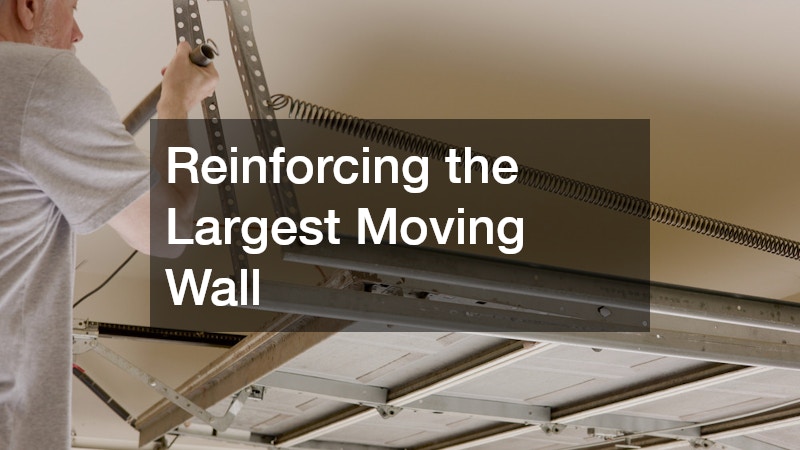
The garage door is typically the largest moving component of a house, making it incredibly vulnerable to wind forces. If a garage door buckles or detaches during a severe storm, wind rushes into the garage, creates a massive pressure vortex, and can easily compromise the roof and adjacent living spaces.
- Install a wind-load rated garage door: Look for doors reinforced with heavy-gauge steel tracking, robust U-bars, and heavy-duty hinges. These doors are designed to transfer severe positive and negative wind forces directly into the surrounding structural wall framing without buckling.
- Maintain tracking and torsion systems: A garage door that is out of alignment puts unequal, twisting stress on the framing elements of the garage opening. Frequently check that tracks are perfectly parallel, well-anchored, and free of rust.
- Schedule periodic balancing: A balanced door reduces structural strain on the header and wall framing. Seeking experienced garage door services ensures that the high-tension springs and structural reinforcements are regularly adjusted, verified, and safe.
Stabilizing the Internal Framework and Climate Control
The internal structure of a home relies heavily on a stable, dry environment. Wood framing, floor joists, and support pillars are susceptible to changes in humidity and temperature, which can lead to warping, sagging, and structural decay.
Excessive moisture in a crawlspace or basement softens the wooden joists supporting your subfloor, leading to bouncy floors, sticking doors, and settling interior walls. Similarly, a poorly insulated attic can cause uneven temperatures that lead to wood expansion and contraction, loosening the fasteners holding your rafters together.
- Encapsulate the crawlspace: Cover the dirt floor of your crawlspace with a heavy, multi-mil vapor barrier. Seal the edges up the foundation walls and tape all seams. This prevents moisture from evaporating out of the earth and into your structural floor framing.
- Maintain optimal indoor humidity: Use heavy-duty dehumidifiers in subterranean areas to keep relative humidity below fifty percent. This prevents the growth of wood-decaying fungi, which actively eat away at the cellular structure of structural timber.
- Establish a continuous thermal envelope: Ensure that your attic floor or roof line features thick, properly rated material to block heat transfer. Utilizing a professional insulation service ensures that air leaks are completely sealed and that insulation material is evenly distributed, preventing local hot spots that lead to condensation, mold, and structural rot.
Enhancing Grading and Managing Soil Moisture
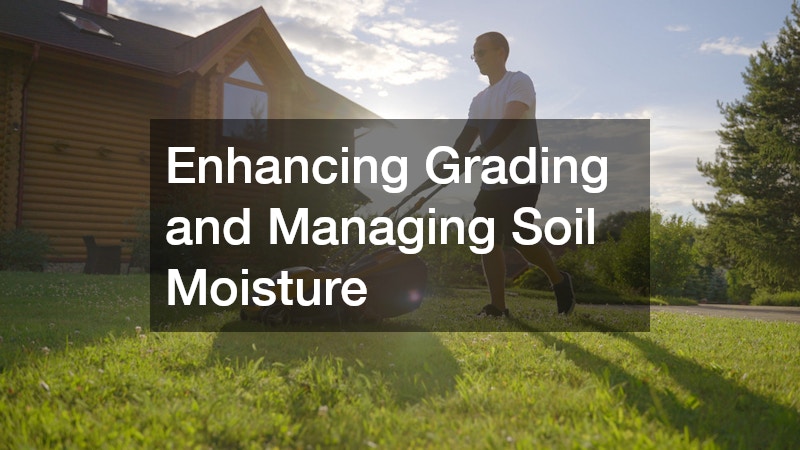
Soil expands when it absorbs water and shrinks when it dries out. This cyclical movement, known as soil heave and settlement, can crack foundations and cause walls to shift out of plumb. Managing the earth directly adjacent to your home is vital to keeping the foundation stable.
- Establish a positive perimeter grade: The ground should slope away from your foundation at a drop of six inches over the first ten feet. This ensures that surface water naturally flows away from the house rather than soaking down into the foundation footings.
- Construct robust retaining systems: If your property sits on a hillside, use retaining walls to prevent the earth from sliding down against your home’s walls or eroding out from underneath your foundation footings.
- Deploy root barriers near structures: Aggressive root systems from large shrubs can sap all the moisture out of the soil unevenly, causing localized foundation settlement. Employing certified landscaping services can help you choose non-invasive plant species and design proper root barriers to protect your subsurface structure.
Durable, Flexible Driveways
Driveways and large parking pads add immense weight to a property. If a driveway cracks and shifts, it can channel thousands of gallons of surface water directly toward the home’s foundation or basement walls during heavy storms.
- Select flexible paving alternatives: In regions experiencing harsh winters, rigid surfaces can crack violently due to frost heave. Opting for asphalt driveways provides a flexible surface that can adapt to minor ground movements without breaking apart and forming water channels.
- Build a thick, compacted sub-base: The structural integrity of any driveway depends on what lies underneath. Ensure the earth is excavated properly and replaced with at least four to six inches of crushed, compacted gravel to distribute vehicle weight evenly and prevent the soil from shifting beneath the surface.
Correcting Concrete Sinking and Cracks
Sunken walkways, patios, and pool decks do more than look unsightly; they pose a direct threat to your home’s structural health by altering the intended paths of water drainage. Slabs that tilt back toward your house act as a funnel, forcing water directly into your foundation walls and generating severe hydrostatic pressure that creates interior wall cracks.
- Lift sunken slabs early: If a concrete patio or walkway begins to tilt back toward the house, use polyurethane foam injection or mudjacking to lift the slab back to its original, safe slope.
- Seal cracks annually: Inspect all exterior concrete for hairline cracks before winter arrives. Use an elastomeric, waterproof sealant to fill these gaps, keeping water out so it cannot freeze, expand, and shatter the concrete structure.
- Coordinate comprehensive masonry care: When dealing with extensive property updates, hiring experienced concrete services is essential for repairing load-bearing flatwork, while utilizing general paving services ensures that all vehicle and pedestrian pathways seamlessly direct water away from your home’s structural footprint.
Environmental and Tree Hazards Management
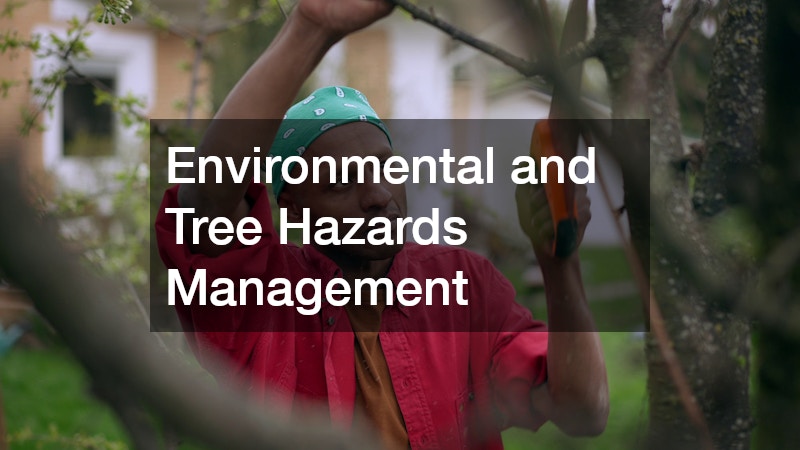
The natural environment surrounding your home is constantly evolving. While mature trees add beauty and property value, they also present physical risks to both the underground foundation and the overhead roof structure. As trees grow, their root systems expand horizontally in search of water and nutrients. If trees are planted too close to a house, these powerful roots can wrap around foundation walls, push through small cracks, and disrupt plumbing lines, leading to major structural shifts.
- Enforce safe planting distances: As a general rule, large canopy trees should be planted at least twenty to thirty feet away from any permanent structure to prevent their root networks from interacting with foundation walls.
- Prune limbs away from the roofline: Keep tree branches trimmed back so they are at least ten feet away from your shingles. This prevents heavy branches from scraping against your roof during windstorms and eliminates easy pathways for wood-destroying pests like carpenter ants and squirrels.
- Remove dead or compromised trees immediately: Periodically assess the health of large trees on your property. Look for signs of trunk decay, fungal growth at the base, or leaning trunks. Bringing in professional tree services to safely remove hazardous trees before a major storm hits can prevent catastrophic structural damage to your home.
Ensuring the long-term structural integrity of a home is not just a single effort but rather a continuous commitment that demands vigilant maintenance and strategic upgrades. Every component of a property is interconnected, forming a complex and unified system where each part plays a critical role in supporting the others. For instance, the roof is heavily dependant on the framing for support. In turn, the framing relies on the solidity of the foundation, which is the crucial base upon which the house stands. The foundation itself owes its stability to the surrounding soil and effective water management systems. These systems must be managed carefully to prevent water accumulation which can lead to soil erosion or water penetration that compromises the foundation’s strength.
When you view your property as a single, unified system, it becomes possible to identify and tackle minor vulnerabilities before they snowball into more significant and costly issues. By being proactive, homeowners can significantly mitigate the risk of structural failures. This could involve actions as simple as adjusting the grade of your yard to ensure proper drainage, sealing up any structural openings that might allow moisture access, or upgrading your roof with materials better equipped to withstand severe weather conditions prevalent in your area. These proactive steps reap enormous benefits in terms of safety and financial security. They bring peace of mind, knowing you’ve safeguarded your home against the uncertainties of nature.